All Categories
Featured
Table of Contents
That matters when you are trying to protect a play zone, barbecuing location, or pet dog run. Traps are not magic. Put them too close to the action and you can welcome more bugs into the very area you are attempting to protect. In basic, put them on the border of your yard, away from doors, patios, and play equipment.
How to Spot Grass Pests in the LawnScreens, netting, sealed garbage bins, and tight-fitting lids do a lot of heavy lifting. So do easy repair work. If flies keep getting in through a torn screen or wasps are constructing in a gap under the eaves, no amount of wishful thinking repairs that. For family pet areas, barriers can also mean keeping attractants included.
How to Spot Grass Pests in the LawnIf you do need a product application, look for alternatives developed to stay where they are supposed to stay. A bait station, a nest-targeted treatment, or an outdoor barrier used according to identify instructions can be a much better fit than air-borne sprays wandering across whatever you own.
A great deal of pest control problems begin with great intentions and bad placement. One typical error is using any item right next to high-traffic kid and animal areas. Another is overlooking timing. Using or establishing products while kids are playing outside or while animals are strolling around makes supervision harder and increases the possibility of contact.
Smart Tips for Identifying Garden Diseases
A fly concern near the trash bin is not the very same as yellow coats under the deck. There is likewise the natural-product trap. People hear natural and presume they can use more of it, more frequently, with zero precautions. Not so quick. Natural ingredients can still irritate skin, eyes, noses, or stomachs.
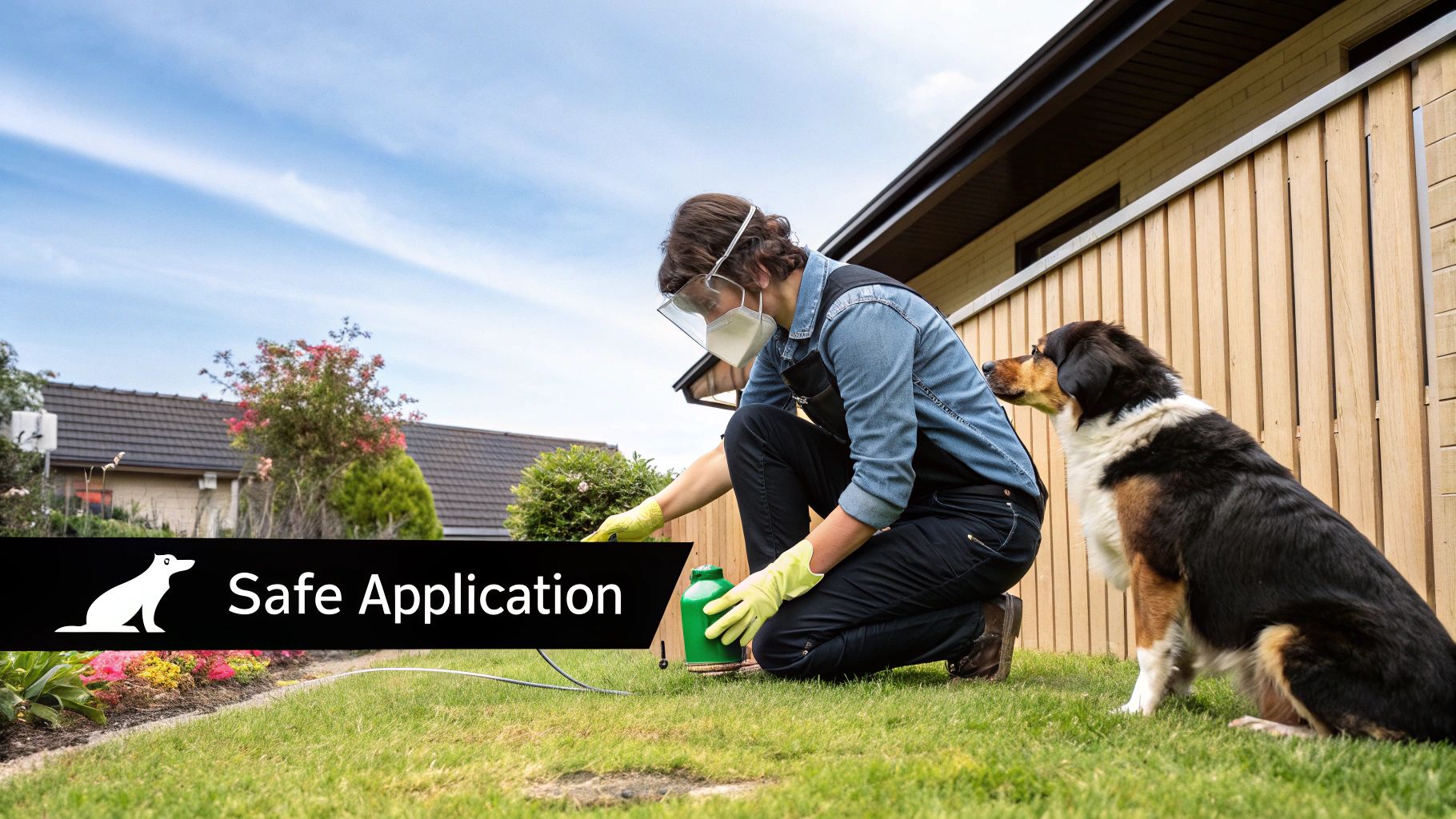
Follow the directions. Keep products where curious kids and nose-first pets can not mess with them. Bugs like food, wetness, and shelter. Your patio should offer them none of the above. Wipe tables, empty cups, and tidy grills after usage. Shop cushions when possible. If your canine consumes outside, select up leftovers right now.
For flies, deal with trash and family pet waste management like part of the insect strategy, due to the fact that it is. Perimeter placement is your buddy. Set traps and attractants away from the center of household activity so bugs are pulled off course before they reach the patio, sandbox, or garden bench. If you are handling wasps or yellow coats, do not put food or sugary beverages near most likely nesting areas unless you take pleasure in chaos.
Install them when kids are within and animals are occupied elsewhere. Check them frequently for leaks, damage, or overfilled catch locations. Change worn systems before they become messy or less effective. Spring is for avoidance. Summer season is for pressure control. Late summer season and early fall typically bring peak wasp and yellow jacket aggressiveness, so that is when placement and monitoring matter most.
Turf Fungus Symptoms and Proven Cures
Outside bugs have a way of crossing the line. If you are dealing with around doors, windows, mudrooms, or garages, think of transfer. Kids touch thresholds. Family pets nap by entrances. Products utilized near these zones should be chosen and applied carefully, with drying or settling time reputable exactly as directed. If you can solve the problem with exemption first, do that.
Sometimes a nest is in a bad area, the problem is extreme, or the pest danger is more than a problem. If stinging insects are nesting near an entrance or someone in your house has a severe allergy, faster intervention may be worth it. Same opts for a large indoor infestation that basic traps and clean-up will not touch.

In those situations, the ideal relocation is targeted action with strict attention to identify instructions, restricted gain access to throughout treatment, and careful clean-up after. Safe pest control is not about pretending every bug problem can be resolved with wishful thinking.
Top Pest Control Solutions for Lawn Vitality
It is constant. Tidy up what brings in insects, obstruct what invites them in, and use traps or barriers that work far from where your kids and family pets live their finest outside lives. Bugs can be relentless, sure. But with the best setup, they do not get to run the yard.
Lots of people are worried about using pesticides around their pets, and for good factor. Consuming insect baits and mice can be extremely harmful to our family pets, as can strolling through newly sprayed insecticides, depending on the item. However, topical pesticides and insecticides intended for canines are usually very safe when utilized correctly.
Some insecticides are more versatile and help kill a range of bugs, with applications ranging from powders to liquids and sprays. When picking the finest pet-safe pesticide for your scenario, research study its appropriate uses and direct exposure decrease tips to keep your canine safe. Neem oil is drawn out from the seeds of the neem tree, an important source of phytochemicals used in health care, cosmetics, and bug control.
Shielding Families and Dogs From Lawn Pesticides
Garden enthusiasts utilize this reasonably broad-spectrum insecticide to manage hundreds of common insects, consisting of: Neem is naturally degradable and safe for pets, felines, birds, and animals. Neem oil can be damaging to water life, so you need to be careful not to let it end up in local waterways or dams. To utilize neem oil as a plant spray, mix 1/2 teaspoon of moderate, plant-safe dish soap or castile soap with a quart of water in a spray bottle and stir well.
Apply neem oil solution early in the early morning or late afternoon, as using it throughout the hot afternoon hours can trigger leaf burn. Shake the bottle and spray the plant from top to bottom. For continued control of pests, spray again in 7 to 10 days. If you are not sure how your plants will react to the oil, spray a test area and wait 24 hr to observe the modifications.
Diatomaceous earth has been utilized by garden enthusiasts for generations to efficiently push back a variety of bugs and pests, consisting of: Fine silica is a desiccant. When pests stroll over it, the DE acts as an abrasive, adsorbing oils and fats from their bodies, causing them to dry out and die. If you buy food grade DE, you can safely use it to your pet.
Please note that this product is just recommended for topical usage on dogs, and even then it may trigger skin inflammation. It may likewise trigger issues if it gets into your canine's eyes or is breathed in. You can use food grade DE anywhere you have pest issues, whether indoors or in your yard.
Once you find a plagued location, spray a little amount of DE on it and let it soak into the plants and surrounding soil. Inside, you can utilize DE on carpets, cabinets, around devices and wastebasket, and near doors and windows. Leave it on for a few hours before vacuuming, or leave it on for a couple of days if there is no traffic close by.

Table of Contents
Latest Posts
What Does A Standard Session With An Amsterdam Romance Advisor Look Like?
Indicators You Have Found A Skilled Amsterdam Dating Consultant
The Reality About The Effectiveness Of An Amsterdam Love Mentor
Latest Posts
What Does A Standard Session With An Amsterdam Romance Advisor Look Like?
Indicators You Have Found A Skilled Amsterdam Dating Consultant
The Reality About The Effectiveness Of An Amsterdam Love Mentor