All Categories
Featured
Table of Contents
Pesticides are used to manage bugs around the home, weeds in the backyard, bacteria in the restroom and rodents in the garage. While numerous pesticide products may be helpful, bad planning or improper usage of pesticides can damage family pets.
Your family pet's risk of developing a health problem depends on just how much pesticide your pet is exposed to and the toxicity of the pesticide to that specific type of animal. Family pet owners can minimize the possibility of their family pet having a problem by following label directions, choosing lower toxicity pesticides, and minimizing the quantity of direct exposure their animal has to the pesticide throughout and after the application.
Also eliminate pet toys, bedding, food and water bowls from the location. Keep family pets far from treated locations for the quantity of time specified on the pesticide label or until any sprayed pesticides have actually dried completely, whichever is longer. Ensure all pesticides are safely saved in areas where pets can not access them.
If you use foggers (bug bombs), constantly remove all animals from your house. Cover fish tanks to prevent liquid vapors or dusts from entering the tank. Given that foggers develop a great aerosol mist, the pesticides may move through all of the air in the home, consisting of the tank pumps and aquarium.
If any rodent or insect baits are utilized in your house, ensure they are in protected bait stations or in locations not accessible to pets. Baits are made with components lots of family pets discover appealing. In addition to the general precautions gone over above, making sure the area is well ventilated throughout the drying process will help to reduce your animal's direct exposure when it returns.
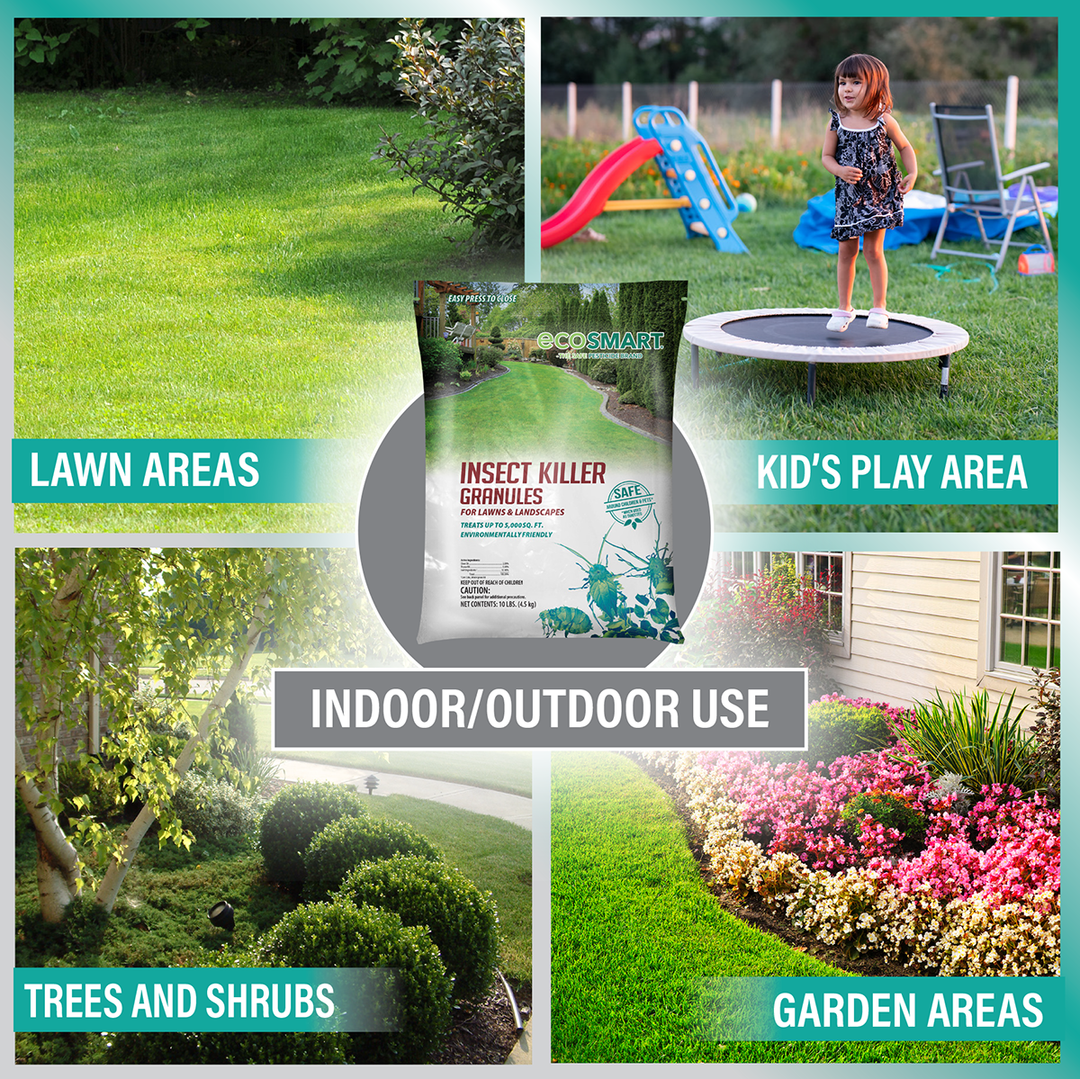
Proven Turf Pest Identification and Removal Tips
Get rid of family pets, their toys and their food and water from the area to be dealt with. To reduce your animals direct exposure to the pesticide and to prevent residues from being tracked into homes, keep family pets out of treated areas up until the pesticide has dried completely. Granular products may have particular instructions for watering the granules into the soil after they are used.
Since granular products require time for watering and time for the granules to dissolve, these products may need keeping the family pets out of dealt with locations for 24 hr or longer. Examine the label directions or call NPIC to figure out how long to keep family pets out of treated areas. When the pesticides have actually dried, poisonous residues can stay on the treated surfaces, so think about taking safety measures to prevent your animal from licking, chewing or eating any plants or other items treated with pesticides even after they have dried.
Animals are drawn in to the food ingredients in these items and family pets have actually been known to eat them after they have been applied, dig them up when positioned underground and chew saved product containers to consume the item. Use care when applying pesticides straight to family pets. Follow the label directions carefully, and make certain to use the proper amount of item for the animal being treated.
Usage sprays, hair shampoos or topical items according to the label directions. Never use more than the instructions state as this can poison your pet. Products labeled for use on "pet dogs just" must never ever be used on felines or other animals. Products designed for adult cats or dogs need to never ever be utilized on kittens or puppies unless the label specifies that the product might be used on younger animals.
Pet-Safe Treatments for Modern Pets
Avoid petting and keep kids away from treated pets up until the item has dried. Make sure you follow the precautions on the label for protecting yourself while using pesticides to pets. Family pets are vulnerable to shaking, leaping and other behaviors that can lead to unwanted pesticide direct exposures.
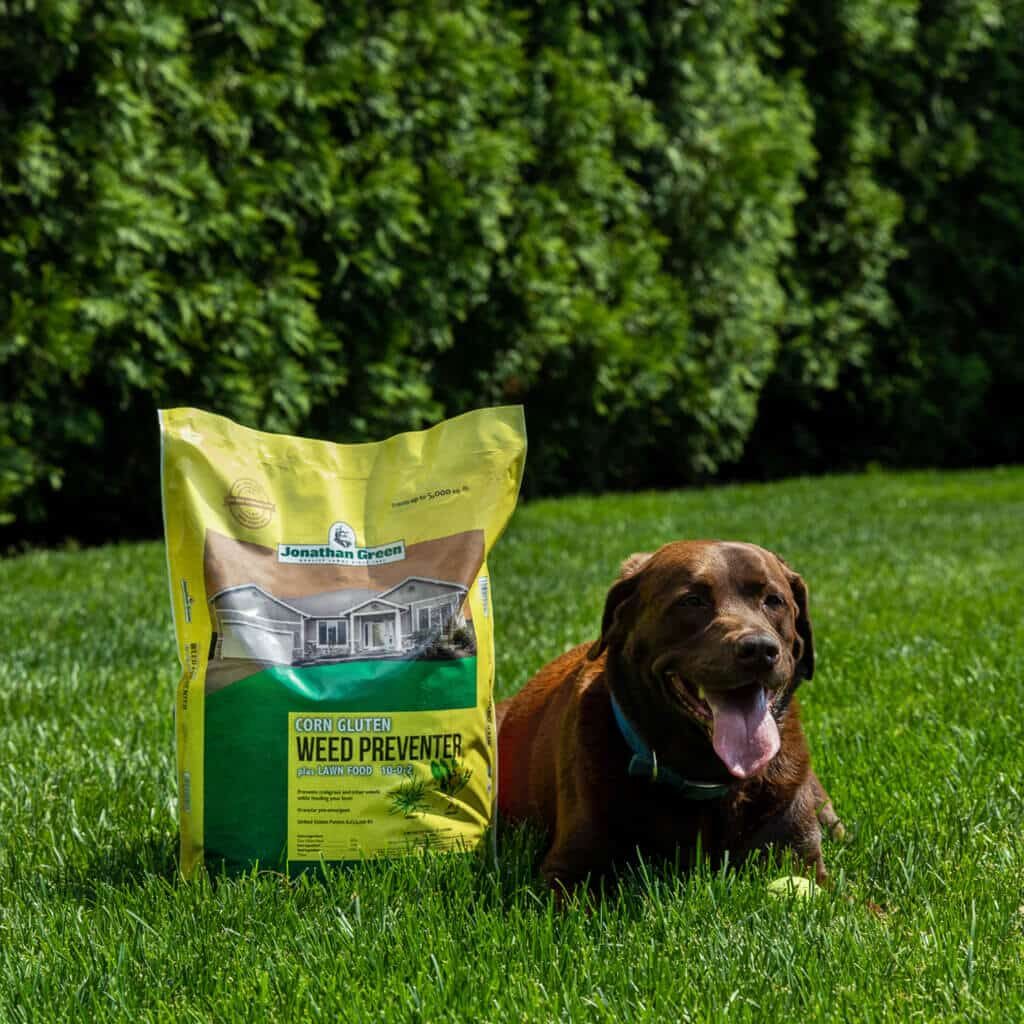
As the firm accountable for controling pesticide items, the U.S. Environmental Security Agency (U.S. EPA) gathers info about pesticide-related health problem in people and animals. If you believe that a pesticide made your pet sick, report the event to the National Pesticide Info Center (NPIC), which operates under a cooperative agreement with EPA.

Table of Contents
Latest Posts
What Does A Standard Session With An Amsterdam Romance Advisor Look Like?
Indicators You Have Found A Skilled Amsterdam Dating Consultant
The Reality About The Effectiveness Of An Amsterdam Love Mentor
Latest Posts
What Does A Standard Session With An Amsterdam Romance Advisor Look Like?
Indicators You Have Found A Skilled Amsterdam Dating Consultant
The Reality About The Effectiveness Of An Amsterdam Love Mentor