All Categories
Featured
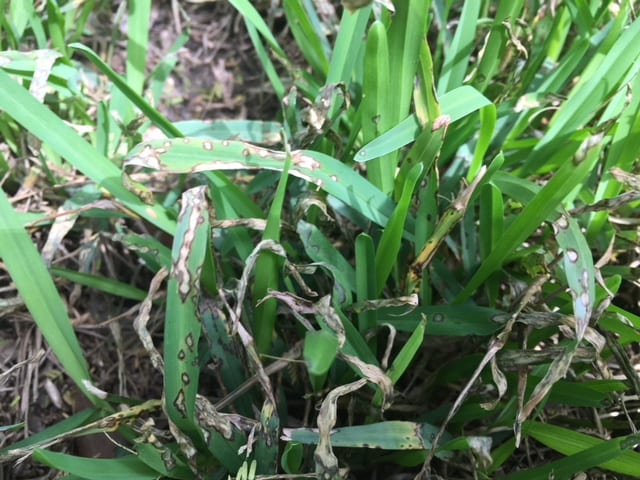
Credit: Lane Tredway: Pyriculria grisea: fescues, kikuyugrass, ryegrasses, St. Augustinegrass: irregular blighted patches of grass with bleached spots with dark margins on leaves; ryegrass develops a fishhook look: daytime temperatures of 8595F; high humidity or rainfall; overwatered and overfertilized grass: water effectively; do not overfertilize; lower shading; increase air movement: fungicides are offered, but cultural controls are more practical Fusarium spot damage to bentgrass grass.
McCain: Microdochium nivale: annual bluegrass, bluegrasses, fescues, ryegrasses, zoysiagrass: circular patches of 12 inches that can enlarge to 12 inches; leaves first appear watersoaked, then reddish brown, and lastly bleached; minute, gelatinous spore masses often seen on dead leaves; white or pinkish fungal threads may be seen in early morning; more common in Central and Northern California: regularly cool temperatures (4065F) and damp conditions; high nitrogen applications in fall; neutral or alkaline soil pH; pathogen makes it through in grass residues: lower shade and enhance soil aeration and water drainage; water appropriate length of time; avoid excess nitrogen, especially in fall; maintain soil pH between 6.56.7.
Credit: M. Ali Harivandi: Bipolaris spp. and Helminthosporium spp.: bermudagrass, bluegrasses, fescues, kikuyugrass, ryegrasses, zoysiagrasses: circular to lengthened brownish spots with brown centers and dark brown or purple borders on leaf blades, sheaths, and stems; crowns and roots often have a dark brown rot; crown-infected plants might pass away in hot, windy weather condition, leaving thinned locations throughout the turf; spores are windborne: warm temperature levels (7090F) for bluegrasses, ryegrasses, and fescues; cool temperature levels (6070F) for bermudagrass and zoysiagrass; high humidity; low clipped turfgrass; most serious with excess nitrogen fertilization or shortage: reduce shade; improve soil aeration and water drain; avoid dry areas and excessive nitrogen fertilizer; maintain as high a cutting height as possible: fungicides offered however often not necessitated Pythium blight (grease spot), triggered by Pythium sp., on a ryegrass and bluegrass yard.
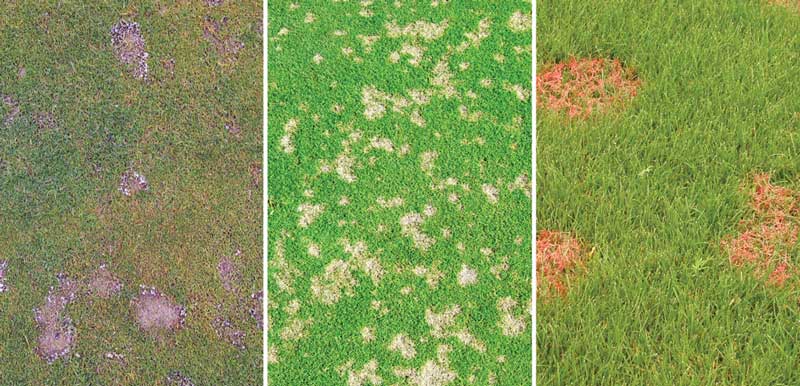
Ali Harivandi: Pythium spp.: all grasses: little, circular spots (26 inches) that run together; blackened leaf blades quickly wither, turn reddish brown, lie flat, stick together, and appear greasy; roots may be brown; in humid conditions, masses of fungal mycelium may appear: low spots that remain damp; warm temperature levels (8095F daytime, > 68F night time); makes it through as spores in soil for long periods: decrease shading; enhance soil aeration and water drain; water suitable length of time; avoid cutting damp turf and using high levels of nitrogen throughout hot, damp weather condition: fungicides readily available however mostly prevented by cultural practices in California Patches of tall fescue turfgrass infected with Rhizoctonia blight.
Detecting Armyworms in GrassEffective Ways to Eliminate Garden Weeds
Credit: Arthur H. McCain: Rhizoctonia solani AG 2-2LP: bermudagrasses, kikuyugrass, St. Augustine lawn, zoysiagrass: very first appears as little, irregular brown patches or rings that can enlarge to numerous feet in diameter; centers might recover leading to rings of unhealthy grass; leaves and sheaths end up being watersoaked, wilt, turn light brown, and pass away; plants take out quickly from soil with rotten stolons, in light problems, roots usually not contaminated and plants typically recover; soil-inhabiting fungus that forms fine, fungal threads in soil or on turfgrass: excess thatch and mat in addition to cool temperature levels (6070F); wet soil conditions: decrease shading and enhance soil aeration and water drain; water proper length of time to a depth of 46 inches; prevent excess nitrogen in the fall; maintain thatch less than 1/2 inch: fungicide useful if disease extreme in past Red thread damage to grass foliage.
McCain: Laetisaria fuciformis: bentgrasses, bermudagrasses bluegrasses, fescues, ryegrasses: red thread may eliminate turfgrass in spots that are 28 inches in size, or the illness may take place over big locations without killing the plants; pink web of fungal threads bind the leaves together; search for pink, gelatinous fungal crusts forecasting from the leaves to help determine this disease: typical under conditions of mild air temperature levels (6075F) and extended periods of leaf wetness; typically appears on plants deficient in nitrogen during periods of cool or warm temperatures if there is appropriate moisture (e.g., excess watering or rains): proper watering and fertilization can minimize the incidence; appropriate nitrogen generally can avoid this illness from happening; avoid drought tension by watering turfgrass based upon evapotranspiration requirements of the turfgrass; offer adequate air circulation; minimize shading: fungicides hardly ever necessitated except in severe cases Rust damage to bluegrass foliage.

Latest Posts
What Does A Standard Session With An Amsterdam Romance Advisor Look Like?
Indicators You Have Found A Skilled Amsterdam Dating Consultant
The Reality About The Effectiveness Of An Amsterdam Love Mentor