All Categories
Featured
Fall armyworms are surface feeders. Fall armyworms are tiny and green with a black head when they hatch, but they grow quickly and become darker with age.
Treating New Fungal Pathogens in Domestic Landscapes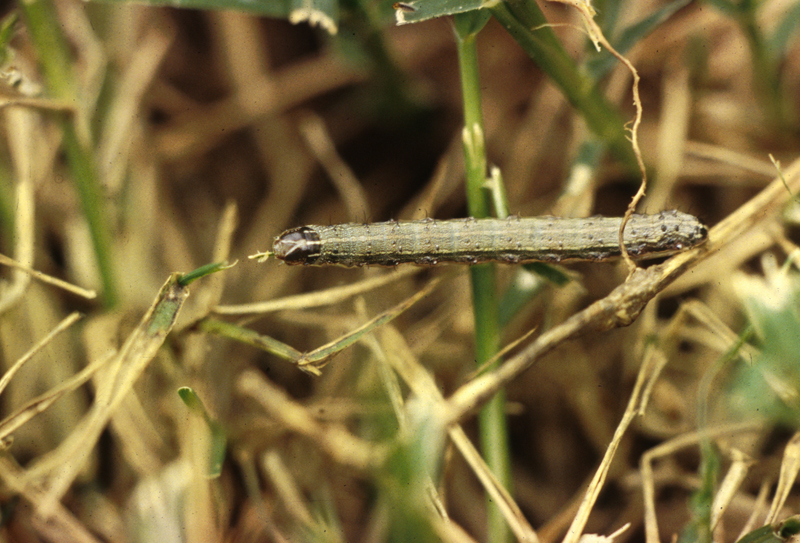
Carefully scout to figure out the number, size, and circulation of fall armyworms and the condition of the turfgrass. Small armyworms (greenish in color) are much simpler to control than caterpillars nearing their mature length of 1.5 to 2 inches.
Healthy turfgrass might tolerate low to moderate quantities of damage and can recuperate with watering and fertilization. See Healing listed below. Mow tall turfgrass before treatment to enhance insecticide protection. Collect the clippings that build up on the surface. Irrigate lightly numerous hours before treatment to increase larval activity on the soil surface.
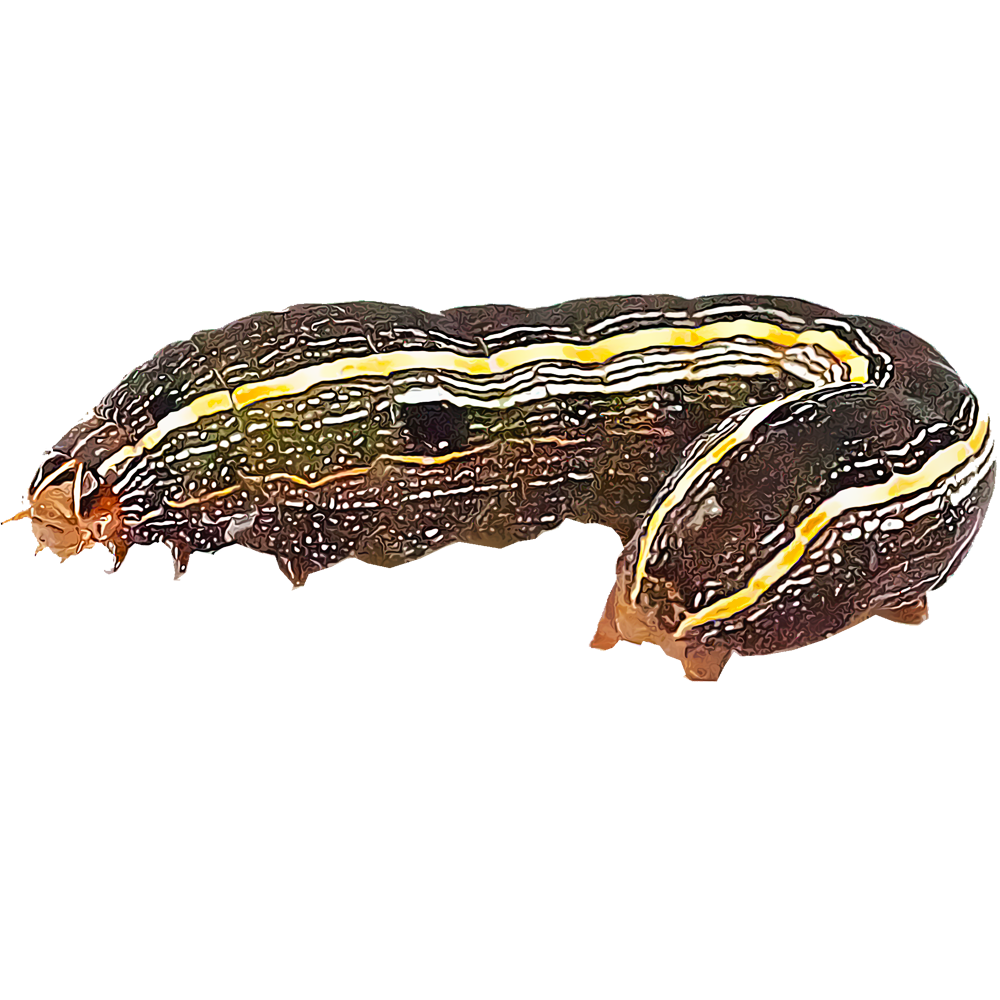
If there is no quick control of fall armyworms after using a pyrethroid, think about using a different class of insecticide, or hire a yard care company to apply a chlorantraniliprole or tetraniliprole compound. Azadirachtin insecticides (Neem oil) can provide control of little larvae and are licensed organic.

Latest Posts
What Does A Standard Session With An Amsterdam Romance Advisor Look Like?
Indicators You Have Found A Skilled Amsterdam Dating Consultant
The Reality About The Effectiveness Of An Amsterdam Love Mentor