All Categories
Featured
Table of Contents
Some insecticides are more flexible and help kill a range of bugs, with applications varying from powders to liquids and sprays. When picking the very best pet-safe pesticide for your scenario, research its appropriate usages and direct exposure decrease suggestions to keep your pet dog safe. Neem oil is drawn out from the seeds of the neem tree, an important source of phytochemicals utilized in health care, cosmetics, and insect control.
Garden enthusiasts utilize this fairly broad-spectrum insecticide to manage hundreds of typical bugs, including: Neem is naturally degradable and safe for canines, felines, birds, and animals. Neem oil can be damaging to aquatic life, so you need to beware not to let it wind up in regional waterways or dams. To utilize neem oil as a plant spray, mix 1/2 teaspoon of moderate, plant-safe dish soap or castile soap with a quart of water in a spray bottle and stir well.
Apply neem oil solution early in the early morning or late afternoon, as applying it during the hot afternoon hours can trigger leaf burn. Shake the bottle and spray the plant from top to bottom. For continued control of insects, spray again in 7 to 10 days. If you are unsure how your plants will react to the oil, spray a test area and wait 24 hr to observe the modifications.
Combatting Surface Pests in Lawn Turf
Diatomaceous earth has actually been utilized by garden enthusiasts for generations to successfully fend off a variety of bugs and insects, consisting of: Fine silica is a desiccant. When pests walk over it, the DE functions as an abrasive, adsorbing oils and fatty acids from their bodies, triggering them to dry out and pass away. If you purchase food grade DE, you can securely use it to your pet.
Please keep in mind that this product is only suggested for topical use on dogs, and even then it may cause skin inflammation. It might also trigger issues if it enters into your dog's eyes or is breathed in. You can use food grade DE anywhere you have pest issues, whether inside your home or in your backyard.
When you find a plagued area, sprinkle a percentage of DE on it and let it soak into the plants and surrounding soil. Inside your home, you can utilize DE on carpets, cabinets, around devices and garbage cans, and near doors and windows. Leave it on for a couple of hours before vacuuming, or leave it on for a few days if there is no traffic nearby.
When the germs are introduced into the soil, the nematodes increase and spread out, hunting down and contaminating any insects they encounter. Nematodes are available in various mixtures that can be blended with water and sprayed around the lawn and garden or utilized as a soil soak.
Rainy days are possible as nematodes flourish in damp soil. Otherwise, the soil ought to be soaked before usage. Necessary oils are an eco-friendly alternative to extreme chemical pesticides. Although numerous compounds, such as limonene, are harmful to dogs and felines in high dosages, their presence in lots of low-toxicity items is unlikely to trigger any unfavorable reactions.
Stopping Invasive Insects for Good
While normally safe, pets may experience some adverse effects if they are young or particularly delicate to necessary oils. The odor of lots of important oils can make family pets uncomfortable, so they are less likely to be poisoned by inhaling or licking the important oil. Pesticides are one of the most common causes of poisoning in animals.
Canines and felines deal with various threats when they ingest and breathe in toxic substances or absorb them through their skin. Pyrethrins/pyrethroids, carbamates, and organophosphates are the most common classes of pesticides your animal may be exposed to and can in some cases cause severe poisoning, depending upon the chemical and the amount your puppy is exposed to.
Flare-ups can cause hypothermia, hyperthermia, difficulty breathing, and seizures. If you believe poisoning, it is exceptionally crucial to look for immediate veterinary care, as canines can die from extreme poisoning. The herbicide 2,4-dichlorophenoxyacetic acid has actually been linked to canine lymphoma. Typically speaking, pesticides and family pets do not mix, even when it pertains to pest control items that are safe for felines and dogs.

When the germs are presented into the soil, the nematodes increase and spread, hunting down and infecting any insects they experience. Nematodes are available in various mixtures that can be blended with water and sprayed around the yard and garden or used as a soil soak.
Combatting Armyworms in Lawn Turf
Rainy days are possible as nematodes flourish in damp soil. Otherwise, the soil must be drenched before use.
While typically safe, dogs might experience some adverse effects if they are young or particularly conscious essential oils. Fortunately, the odor of many necessary oils can make animals unpleasant, so they are less most likely to be poisoned by breathing in or licking the necessary oil. Pesticides are one of the most common reasons for poisoning in animals.
Pet dogs and felines deal with various risks when they ingest and breathe in toxic substances or absorb them through their skin. Pyrethrins/pyrethroids, carbamates, and organophosphates are the most typical classes of pesticides your family pet might be exposed to and can in some cases cause serious poisoning, depending upon the chemical and the amount your pup is exposed to.
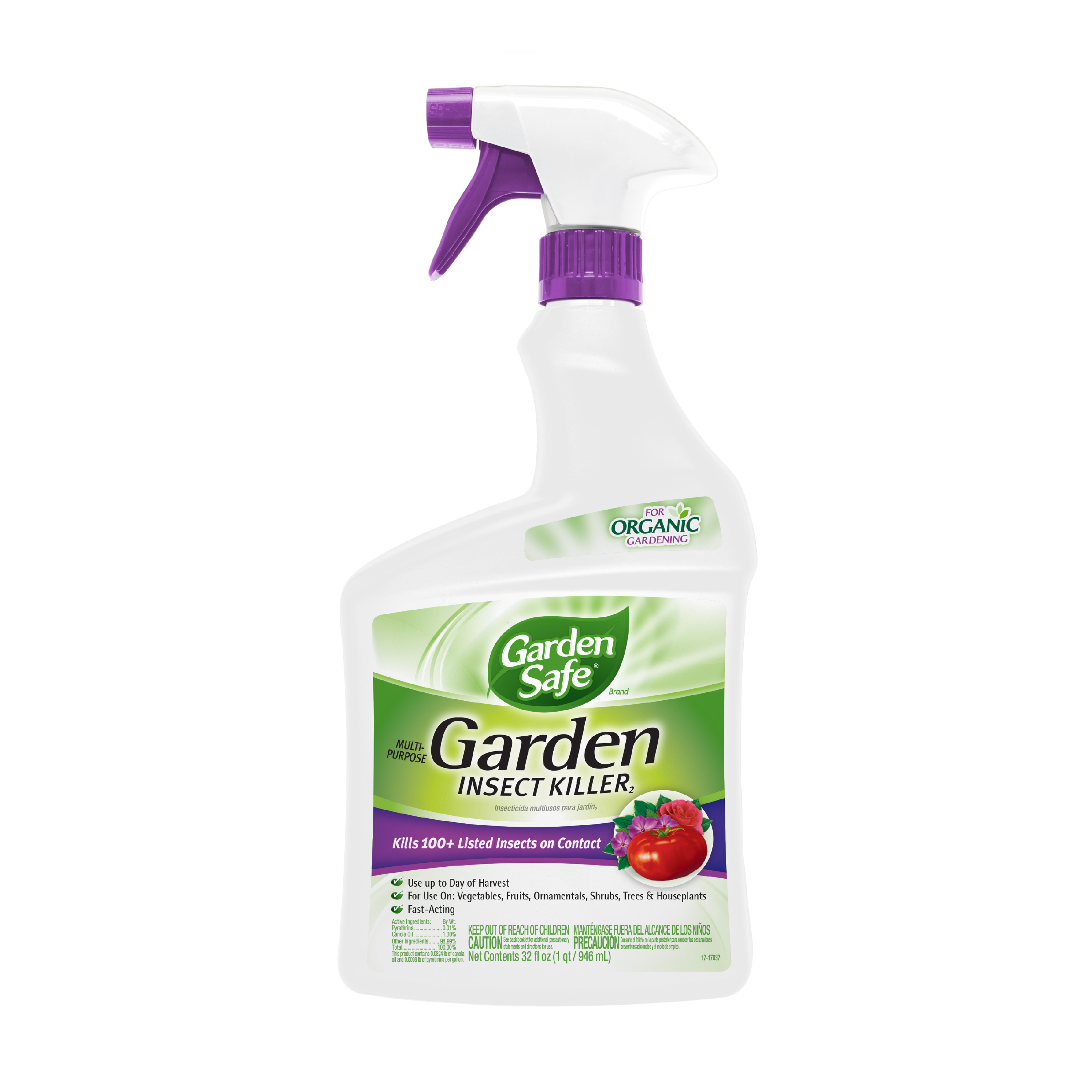
If you suspect poisoning, it is very crucial to seek immediate veterinary care, as pet dogs can pass away from extreme poisoning. Generally speaking, pesticides and pets do not mix, even when it comes to pest control products that are safe for cats and pet dogs.

Table of Contents
Latest Posts
What Does A Standard Session With An Amsterdam Romance Advisor Look Like?
Indicators You Have Found A Skilled Amsterdam Dating Consultant
The Reality About The Effectiveness Of An Amsterdam Love Mentor
Latest Posts
What Does A Standard Session With An Amsterdam Romance Advisor Look Like?
Indicators You Have Found A Skilled Amsterdam Dating Consultant
The Reality About The Effectiveness Of An Amsterdam Love Mentor